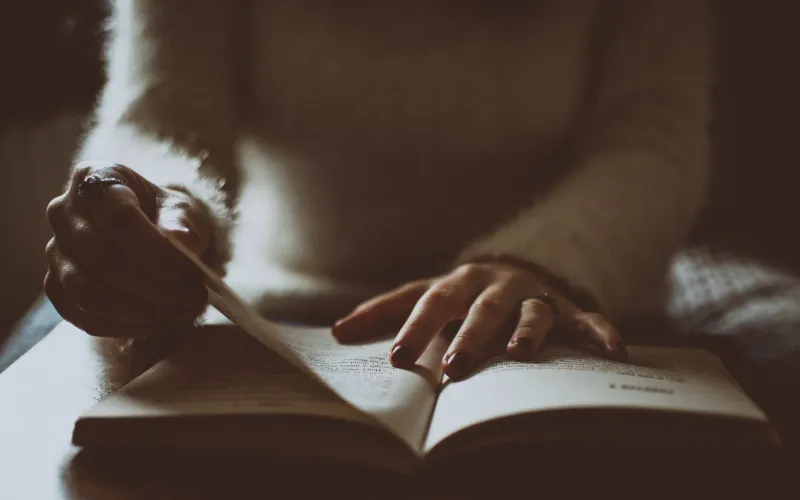
Spotted Across the Aisle: Why a Stranger's Book Cover Might Be the Best Recommendation You Ever Get
You're on a Delta flight somewhere between Atlanta and Chicago, half-asleep, when the person in 14B pulls out a paperback you don't recognize. The cover is striking — maybe a little strange — and you spend the next forty minutes pretending to look out the window while actually trying to read the back cover copy without being obvious about it. Sound familiar?
This is one of reading's most underrated pleasures: the accidental recommendation. No star rating, no curated Goodreads shelf, no "readers also enjoyed" carousel. Just a stranger, a book, and that specific itch of curiosity that makes you pull out your phone and search the title before you even land.
Why Algorithms Can't Replicate This
Here's the thing about algorithmic book discovery — it's built on your past. Spotify learns what you've already loved and feeds you more of the same. Amazon's recommendation engine is essentially a mirror, reflecting your reading history back at you with a bow on top. That's useful. But it's also a closed loop.
When you spot a stranger reading something, you're getting a recommendation built on zero knowledge of your preferences. It's almost reckless. And that's exactly why it works.
There's a psychological concept called "social proof" — the idea that we assign more value to things when we see other people engaging with them. But what makes the stranger-with-a-book version so potent is that it's completely unperformed. Nobody's writing a review or posting an aesthetic photo. They're just reading. That authenticity is almost impossible to fake, and some deep part of your brain registers it immediately.
Plus, there's context. You're not scrolling through a list at home in your pajamas. You're in a shared public space, maybe tired or stressed, and someone nearby looks completely absorbed in something. That contrast — their peace, your chaos — makes the book feel like a door worth opening.
Reader Stories From the Wild
Ask any serious reader about a book they discovered this way, and the story usually comes with unusual detail. People remember where they were, what time of day it was, even what the other person was wearing.
One reader from Nashville described spotting The Shadow of the Wind by Carlos Ruiz Zafón in the hands of a woman at a Waffle House outside Knoxville. "She was crying into her coffee and laughing at the same time," she said. "I needed whatever that was." She bought it at the airport bookstore two hours later and called it one of the five most important books she's ever read.
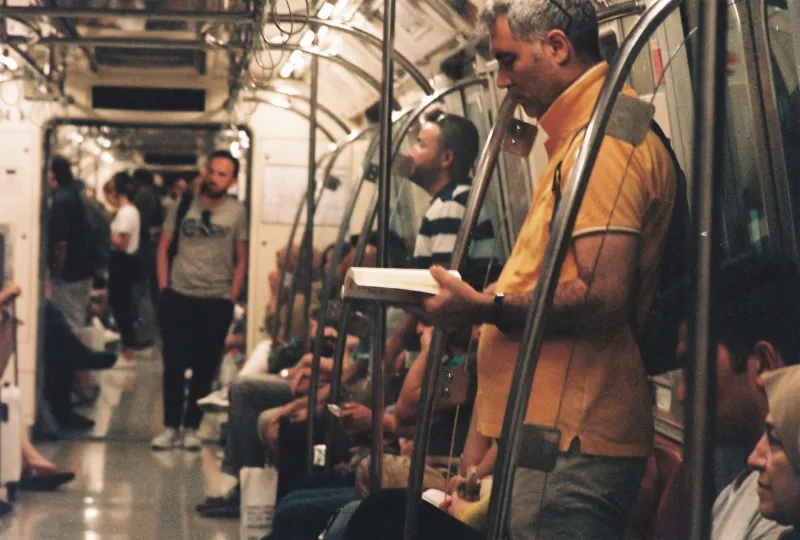
Another reader — a guy who swears he "doesn't really read fiction" — noticed a man on the Chicago L deeply engrossed in a novel with a worn, beat-up cover. He couldn't make out the title, but he asked. The man looked up, slightly startled, then broke into a full explanation of the plot. The book was Lonesome Dove by Larry McMurtry. "He talked about it like it was a person he knew," the reader said. "How do you not read something after that?"
These stories have a texture that no star rating can reproduce. They're about human connection as much as they're about books.
The Coffee Shop Effect
Coffee shops deserve their own category here. There's something about the combination of caffeine, ambient noise, and visible reading that creates a kind of literary fishbowl. People bring their most meaningful reads to coffee shops — the book they've been meaning to finish, the one they're savoring slowly, the one they're reading for the third time.
If you've ever positioned yourself at a corner table in a Starbucks or a local indie café and just watched what people around you are reading, you know how fast a title can burrow into your brain. The visual repetition alone — seeing the same cover twice in a week — can be enough to move something from "vaguely interested" to "buying it this weekend."
There's also a subtle social dynamic at play. Reading in public is a small act of identity expression. The books people choose to carry say something about who they are or who they want to be. When you see a title in that context, you're not just evaluating the book — you're reading the reader too.
The Art of the Polite Interruption
So what do you do when you see someone reading something you desperately want to know about? This is where it gets socially complicated.
The consensus among readers who've been on both sides of this interaction seems to be: wait for a natural pause, keep it brief, and lead with genuine enthusiasm rather than a question that demands a full conversation. Something like "Sorry to interrupt — I've been trying to figure out what you're reading" is almost always received warmly. Readers love talking about books. It's practically hardwired.
What you'll often find is that the stranger becomes briefly, intensely animated. They'll tell you whether you should start with this one or a different book by the same author. They'll warn you about the ending. They'll look slightly wistful when they hand it back and return to reading.
That thirty-second exchange can carry more useful information than a thousand-word review.
Why These Discoveries Tend to Stick
Books found this way have a different weight to them. Part of it is the story attached — you can't separate the book from the memory of how you found it. But part of it is also timing. You weren't looking for a recommendation when you got one. That element of surprise lowers your defenses in a way that deliberate searching never does.
When you choose a book from a list, you've already done the mental work of deciding you want it. When a stranger's book finds you, the decision happens almost before you realize you've made it. The book walks into your life uninvited, and somehow that makes you more willing to let it stay.
Next time you're on the train or waiting for your order at a diner, look up from your phone. Someone nearby might be reading the next book that changes everything for you — and they don't even know they're recommending it.