Fiction as Fortune Teller: The Novels That Seemed to Know Your Life Before You Did
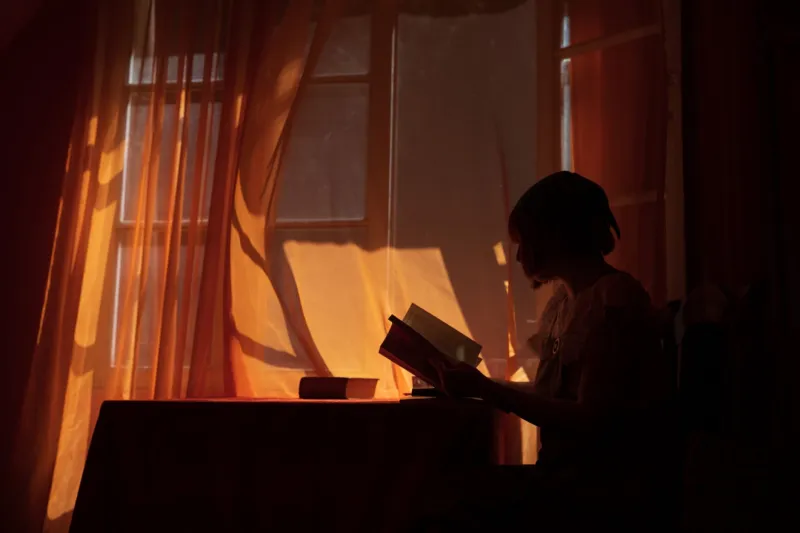
There's a specific kind of chill that runs through you when you pull an old novel off the shelf and realize it somehow mapped out a chapter of your life you hadn't even lived yet. Maybe it's a dog-eared copy from your college dorm room, or a paperback you grabbed on a whim from an airport bookstore in your twenties. You flip through it now — older, a little more weathered — and the underlining you did back then feels less like annotation and more like prophecy.
It's not magic. But it's not nothing, either.
The Strange Sensation of a Book That 'Called It'
Readers talk about this more than you might expect. Someone reads a novel about a woman who leaves a stable career to chase something that makes her feel alive, dismisses it as a pleasant story, then finds herself doing exactly that a decade later. Someone else devours a book about the slow unraveling of a friendship built on convenience rather than genuine connection — only to watch that precise dynamic play out in their own life years down the road.
The temptation is to call it prescient. To treat the novel like it somehow knew. But what's actually happening is simultaneously more ordinary and more profound than prediction. Great fiction doesn't tell your future. It identifies the patterns that human lives — across generations, across cultures, across wildly different ZIP codes — tend to follow. And when your life eventually traces one of those patterns, the book you read years ago feels less like a story and more like a blueprint you forgot you'd studied.
This is one of the things that makes literary fiction so stubbornly valuable in an age that keeps asking whether it's still relevant. The best novels aren't reporting on the world as it is. They're excavating the architecture underneath — the emotional logic that drives people to make the choices they make, to love the people they love, to stay when they should leave and leave when they should stay.
Why Timeless Truths Feel Personal
Here's the thing about universal human experiences: they don't feel universal when you're inside them. When you're the one navigating a painful career pivot, or reckoning with a relationship that's quietly been running on fumes, it feels singular. It feels like yours. Which is exactly why encountering a fictional character who walked that same road — even if the surface details look nothing alike — can land with such force.
Fiction creates the conditions for recognition. A character in a novel might be a 1940s coal miner or a contemporary Brooklyn graphic designer, but if the emotional truth underneath their story maps onto something you've lived or are about to live, the specifics become almost irrelevant. You see yourself in the shape of the thing, not the costume it's wearing.
This is why some readers describe certain books as feeling written for them — not because the author had them in mind, but because the author was honest enough about human nature that the work transcends its particular setting. The more precisely a novelist captures an emotional reality, the more readers across completely different life circumstances will claim it as their own story.
The Books We Weren't Ready For (Yet)
There's a subset of this phenomenon that's especially worth sitting with: the books we read at the wrong time, absorbed partially, and then returned to later only to find they'd been waiting for us all along.
Maybe you read a novel in your early twenties about grief — really about grief, not the sanitized version — and it felt heavy but distant. You hadn't lost anyone yet. You didn't have the reference points. Then loss arrives, the way it always eventually does, and you remember that book. You go back to it. And suddenly it's not a story about someone else's grief. It's a manual. It's a companion. It feels like the author reached forward through time and left something for you specifically.
What happened, of course, is that you changed. The book didn't move — you did. You came into alignment with what the novel had been saying all along, and the collision of your new reality with those old pages creates something that genuinely resembles being seen.
What This Reveals About Why We Read
The books-as-mirrors phenomenon tells us something important about the fundamental impulse behind reading fiction in the first place. We're not just looking for entertainment, though entertainment matters. We're not just looking for information, though we absorb plenty. We're looking for evidence that the confusing, contradictory, sometimes overwhelming experience of being human has some shape to it — that other people have moved through versions of what we're moving through and come out the other side.
Fiction offers that evidence in a form that doesn't lecture or prescribe. A novel doesn't tell you what to do about the relationship that's lost its footing or the ambition that keeps gnawing at you. It just puts a character in a similar situation and follows them honestly through it. Sometimes they make choices you'd make. Sometimes they make choices that horrify you. Either way, you learn something about the territory.
And then, years later, when you find yourself standing in that same territory, you're not entirely lost. You've been here before — in the pages of something that felt like just a good read at the time.
The Quiet Argument for Reading Widely and Early
If novels really do function as advance maps of human experience, then there's a case to be made for reading as broadly as possible — and as early as possible — before you necessarily understand why any of it matters. The book that feels slightly out of reach at twenty-two might be the exact thing you need at thirty-eight. The story that seems to have nothing to do with your life right now might be quietly installing something in the back of your mind that surfaces exactly when you need it.
This is part of what makes a curated reading life feel like such a worthwhile investment. Not every book will find its moment. Some stories you read and leave behind cleanly, no residue. But others settle in, waiting. They become part of the furniture of your inner life without announcing themselves, until one day the furniture rearranges itself and there it is — the novel you read on a rainy weekend in another city, another version of your life, suddenly relevant in a way you couldn't have anticipated.
That's not prophecy. That's literature doing what it's always done best: holding up something true about human experience and trusting that eventually, you'll catch up to it.
And when you do, it's one of the stranger, more quietly thrilling moments reading has to offer — the sense that a book you chose at random somehow chose you right back.