The Return of the Real Thing: Why American Readers Are Collecting Books Again
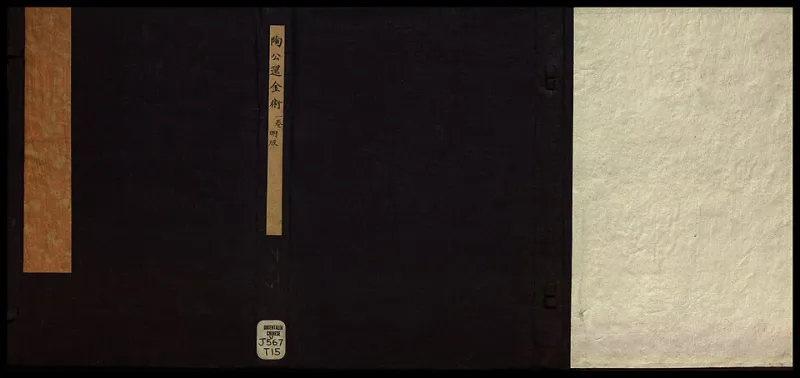
Photo: Tao, Zhi, Public domain, via Wikimedia Commons
For about fifteen years, the obituary for the printed book was written on a near-annual basis. E-readers were the future. Screens were the medium. Paper was a nostalgia item, like vinyl or the fax machine.
And then something odd happened. The obituary turned out to be premature — again.
The Numbers Behind the Comeback
American print sales have held remarkably steady over the past several years, and in some categories, they've grown. Unit sales of print books remain well above where they stood before the pandemic, driven in part by a demographic nobody predicted: young readers buying hardcovers at a rate that would have seemed implausible in 2012.
Special editions, sprayed edges, illustrated covers — publishers have leaned into the book as an object, and readers have responded. The rise of BookTok turned shelf aesthetics into content, and the shelf into something closer to a personal museum.
What a Screen Can't Hold
Here's the part that's harder to quantify. A physical book accumulates evidence.
A dog-eared page marks the spot where you fell asleep on a flight to Denver. A coffee ring on the cover remembers a specific Sunday morning. Marginalia — the notes, the underlines, the furious "NO" scrawled in the margin of a chapter that went wrong — is a record of a conversation between you and a text at one exact moment in your life.
An e-reader holds thousands of books and remembers none of that. The file is identical whether you read it in one sitting or over five painful years. Print books keep receipts.
Books as Keepsakes, Not Content
Talk to collectors and a common theme emerges: they've stopped thinking of books as content and started thinking of them as artifacts. A signed first edition isn't a story you could get cheaper on your phone — it's proof you were there, in that store, on that day, shaking hands with the person who wrote it.
This is why signed copies at author events now routinely sell out in minutes, why independent bookstores host midnight releases for blockbuster novels, and why the annotated personal copy has become a gift category of its own. People are passing down books the way previous generations passed down dishes and tools — as objects with a history attached.
There's also a quieter, less romantic force at work: screen fatigue. After a workday spent in video calls and inbox scrolls, some readers simply want the reading experience to look and feel like nothing else in their day. Paper doesn't ping. Paper doesn't have notifications.
The Digital World Didn't Lose
The honest version of this story isn't print versus digital. Most readers live comfortably in both — the e-book for the vacation and the commute, the hardcover for the shelf and the reread. Digital didn't kill print; it clarified it. Once convenience was handled by the screen, the physical book was free to be what it always secretly was: not just a delivery mechanism for words, but a keepsake of the reading itself.
Which might be the real reason the comeback has legs. You can stream a song and forget you own it. But a book you loved, with its cracked spine and its sand from that beach trip still in the gutter of page 212 — that's not content.
That's a souvenir. And Americans, it turns out, never stopped wanting souvenirs of their own lives.