The Stranger in the Margins: What Used Books Whisper to the Next Reader

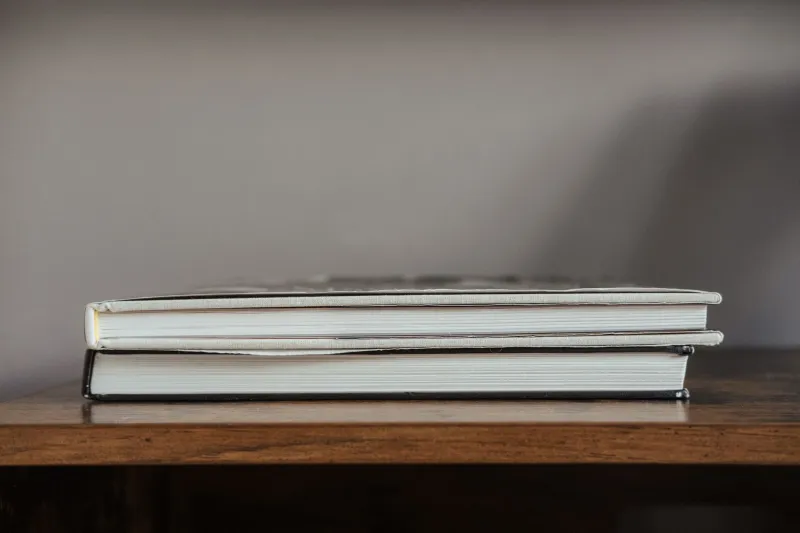
Photo: Nick-D, CC BY-SA 4.0, via Wikimedia Commons
The used paperback cost six dollars and came with a previous owner. On page forty-three, beside a line about a character's apology, someone had written in pencil: She does not mean it. I bought the book before I read another word. That note was not part of the novel, but it was part of the reading. It was a voice from another chair, leaning over to tell me what I had missed.
Used books are usually sold as objects. Clean copies, no markings, tight spine, near fine. Marginalia is supposed to lower the value. In practice, it can raise the stakes. A book with notes in it is not just a story. It is a record of someone else reading that story, and that record can change what the next reader sees on the page.
A Book Club With No Meeting Time
There is a particular loneliness to reading, and a particular pleasure in it. You are alone with someone else's sentences, making meaning in private. A marked-up book interrupts that privacy in a good way. The stranger in the margins does not know you are there, but they are reading alongside you. They underline the line you almost underlined. They argue with a character you also distrusted. They stop at page ninety and never come back, and you find yourself wondering why.
This is not the same as a book review. A review is a performance for an audience. Marginalia is a side conversation, often unfinished. The notes are not trying to persuade anyone. They are thinking out loud. That is why they feel so intimate.
What Gets Underlined
Readers mark what they need. Some underline the first sentence of a chapter, as if to prove they were paying attention. Some mark only dialogue, so the book becomes a play made of arguments. Some leave a trail of exclamation points near every moment of betrayal. My favorite used books have lines underlined so lightly that you can barely see the pencil. Those readers were not making a point. They were just holding on.
In Ran Carr's novels, the underlining tends to split into factions. One reader marks the lines about loyalty. Another marks the lines about escape. A third circles the same sentence twice and writes really? in the margin. The line you underline is a tiny confession. It says something about the reader as much as the book.
The Argument in the Margin
Not every note is agreement. Some of the best are heckles. No, he already decided. This is where it falls apart. She is lying to herself. A stranger can turn a solitary scene into a debate. You read the passage, then you read the objection, then you read the passage again. The book has been edited by a ghost.
That ghost is not always right. Sometimes the note is shallow. Sometimes it is careless. Sometimes it reveals a prejudice or a reading so odd that you want to put the book down. Marginalia is not authority. It is evidence of a mind at work, and minds are not always generous. The point is not to agree with the stranger. The point is to notice that the conversation exists.
Bookmarks Are Evidence
Marginalia gets the attention, but the objects left behind are just as revealing. I have found a grocery receipt from Trader Joe's, a boarding pass from O'Hare, a MetroCard, a pressed leaf, and a business card for a dentist in Ohio. Each one is a tiny artifact of a life that paused to read. The receipt tells you what someone bought for dinner. The boarding pass tells you they were going somewhere. The leaf tells you they were outside.
These objects do not explain the book, but they make the reading feel real. Someone carried this book into a waiting room, a train, a kitchen. Someone put it down and forgot it. Someone picked it up again. The bookmark is proof that the book was not only a text. It was a companion.
How to Read With Ghosts
If you find a marked-up book, do not erase the notes. Read once with them and once without. Notice where the previous reader stopped. Look at the passages they ignored as closely as the ones they marked. If the book belongs to you, add your own notes in pencil. You are not defacing it. You are joining the conversation.
If the notes are too loud, set them aside. A stranger's voice should not drown out the book. But if the notes are quiet, let them stay. A used book with a few pencil marks is a small, ordinary collaboration between people who will never meet.
The Next Reader in Line
The next time you browse a used bookstore, pick up the copy with the cracked spine and the pencil marks. Flip to a random page. Read the underlined sentence. Read the note beside it. You are not just buying a book. You are accepting an invitation to a conversation that started without you.
That is the secret hiding in used books. They are not damaged. They are inhabited. The stranger in the margins has something to say, and if you listen, the book gets bigger.