The Narrator Is a Co-Author: Why Listening Counts as Reading

Photo by Photo by Feliphe Schiarolli on Unsplash on Unsplash
The Argument That Refuses to Die
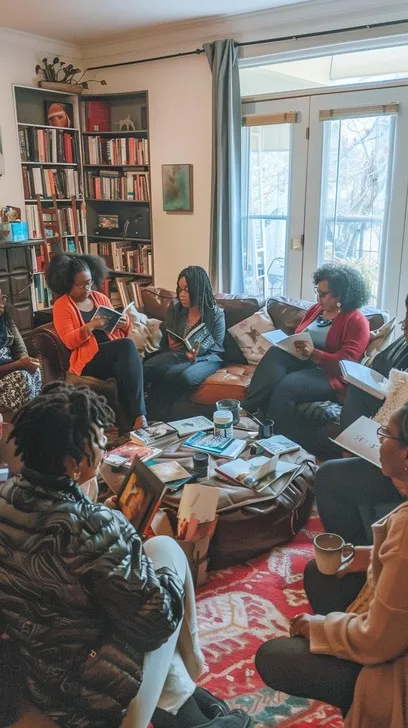
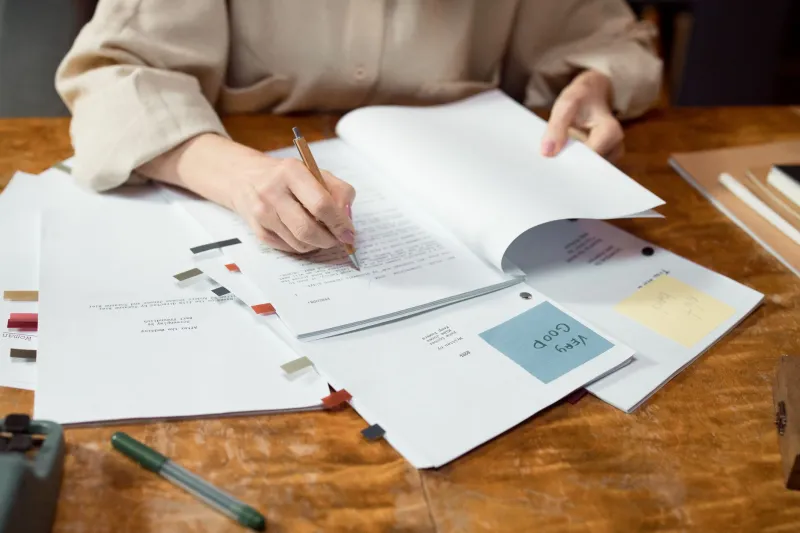
Every book club has that meeting. Someone mentions they finished the month's pick in the car, and another member — usually the one with a pencil and a fan of sticky flags — says, gently but with real conviction, “So you didn't actually read it.”
It's time to retire that sentence. An unabridged audiobook is the same book. Same sentences, same chapter breaks, same ending that ruins your Tuesday afternoon. Listening isn't a shortcut around the text; it's the text, arriving through a different door. And the door matters far less than people pretend, because delivery has always shaped how a story lands. Anyone who has heard a beloved passage read aloud at a wedding or a memorial service knows the feeling — suddenly there's a rhythm you never noticed, a pause you'd been skating past for years.
What a Voice Actually Does to a Sentence
Here's what page-readers tend to underestimate: a narrator makes choices the way a conductor does. Same symphony, different tempo, different emphasis, a different emotional center of gravity.
I read a comic novel on paper and found it pleasant. I listened to it two years later and laughed out loud in a gas station parking lot, because the narrator located a deadpan shrug inside a sentence I'd read as sincere. Same words. Different book. Reverse the experiment and it holds up: a thriller I tore through in print got slower and stranger on audio, the narrator lingering over mundane details until the dread had somewhere to pool.
That isn't a flaw in listening. That's interpretation, and interpretation is what readers do anyway. You bring your mood, your history, your particular Tuesday. The narrator brings a voice. Neither of you is neutral.
Pacing Is Not a Speed Setting
The 1.0x versus 1.75x fight is the audiobook world's version of the pineapple-on-pizza debate. Both sides are sincere and neither is interesting.
A good narrator sets the beats. The silence before a reveal is timed. Dialogue has air around it. Chapter endings land. Cranking the speed flattens some of that — and often that's completely fine, especially for a plot-driven book you're consuming for the shape rather than the texture. But if you notice you're running a novel people keep calling “lyrical” at 1.75x, drop back for a chapter and see what happens. The prose may suddenly make sense.
The honest version of the speed debate is this: you're not cheating at reading by listening fast. You may just be reading a different, thinner version of the book — which is the same thing that happens when any of us skim.
Picking an Audio Edition Without Guessing
A few rules that have saved me from some truly bad hours:
- Sample first, always. Listen for three full minutes. The first sixty seconds flatter everybody.
- Check who's narrating. Memoirists reading their own work are often wonderful. Novelists reading their own fiction is a coin flip, and sometimes the coin lands badly.
- Confirm it says “unabridged.” Abridged editions still exist and still quietly cut scenes.
- Treat full-cast recordings as adaptations. They're fun, they're theatrical, and they are not the same experience as one voice carrying a whole novel.
- Do the commute math. A thirty-hour epic is a commitment; a seven-hour novel is a long weekend.
- Try the library apps before you buy. Most US public libraries offer audiobook lending, and there's no shame in a hold list.
- Read the reviews for the weird stuff. Footnotes, maps, letters, and appendices are where audio editions go to die.
Keeping the Same Conversation
If your book club has quietly split into an audio faction and a print faction, fix it with a few small changes.
Retire the word “cheating” from the room. Ask listeners a genuinely interesting question — not “did you like the narrator,” which invites a shrug, but “what did the voice do to the ending?” Have someone read a single paragraph aloud at the meeting, ideally a paragraph everyone marked, and let the room hear how differently it can be carried. Then pass the audio edition to whoever's curious. Curiosity spreads faster than rules.
One more thing: a listener often catches what a page-reader misses. Dialogue read aloud exposes clunky exposition instantly. Repetition you'd skim right past becomes impossible to ignore. That's not an inferior read. It's a second set of eyes.
The House Has More Than One Door
Ran Carr's novels reward rereading — the kind of books that seem to change shape between one encounter and the next. That's true whether you meet them on paper or through headphones on a long drive home. A house with two doors is still one house, and nobody stands in the hallway arguing about which one you came through.
So go ahead. Say you listened to it. Then say what you noticed.